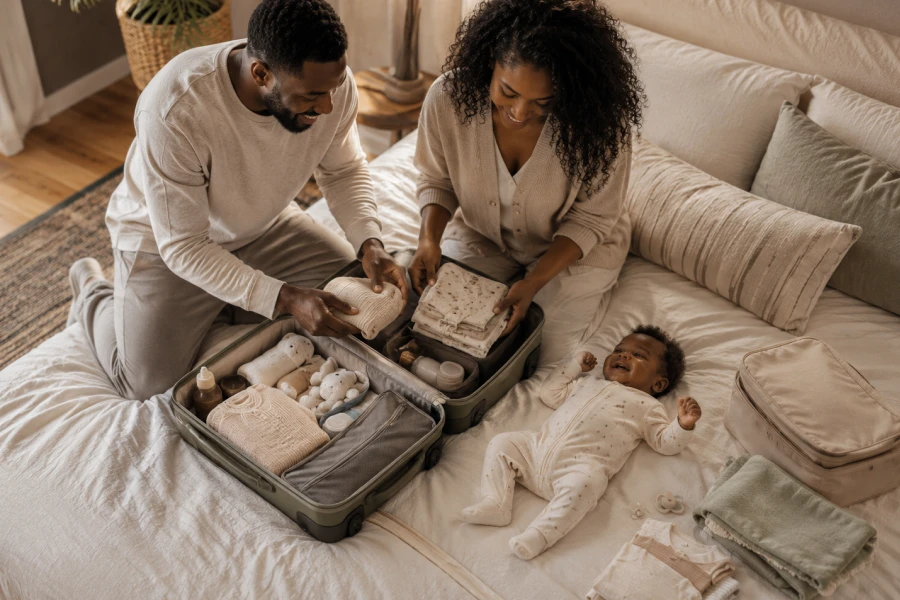
A baby’s first trip often carries more emotion than distance. Parents pack hope, worry, pride, and exhaustion together. Baby first trip planning gives those feelings a useful shape. It helps families choose what matters before the day becomes busy. The process can feel surprisingly tender. Parents imagine feeding in new places. They picture naps away from home. They wonder whether routines will survive. Planning cannot control everything. It can make the unknown feel kinder.
Home is the safest place to test travel ideas. Parents can pack the bag and unpack it. They can notice what feels excessive. They can also spot missing items early. A practical first family vacation plan helps turn guesses into clear steps. It also supports conversations between caregivers. One person may think about feeding. Another may focus on documents or transportation. Shared planning prevents invisible work from landing on one parent. That teamwork matters before the journey begins.
Many families try to travel like they did before children. That expectation can create immediate tension. Newborn travel needs a slower pace. Shorter outings may work better than packed schedules. Rest periods deserve real space. Parents need meals, hydration, and quiet too. A good trip supports the whole family. It does not only protect the baby. When adults feel steady, caregiving improves. A realistic pace makes joy easier to notice.
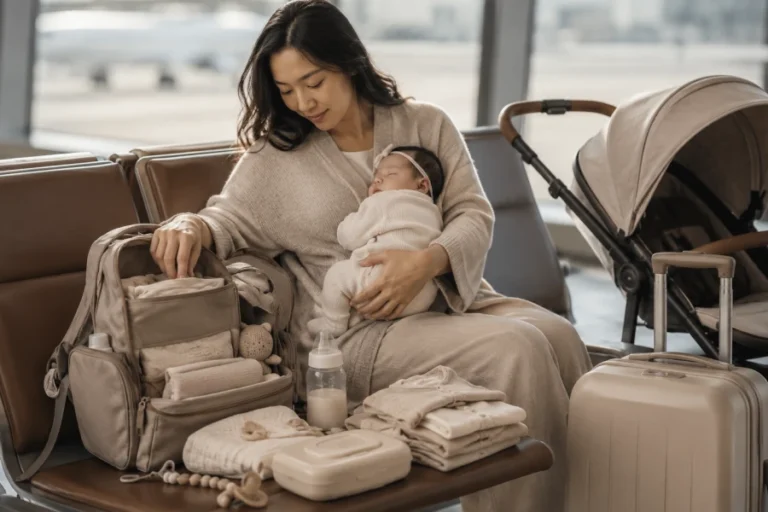
The destination matters as much as the route. Parents should think about sleeping space, feeding spots, and laundry access. A simple baby trip preparation system can make arrival calmer. It helps families set up quickly. It also reduces searching through bags late at night. Keep night supplies easy to reach. Place feeding items where caregivers can find them. Create one small changing area immediately. Familiar order makes unfamiliar rooms less stressful.
A timeline should support flexibility, not pressure. Parents can map feeding, departure, check-in, and rest windows. They should add margins around every step. Babies often need care at inconvenient moments. Traffic and lines can also change plans. A soft timeline reduces blame when schedules shift. It gives parents something to return to. That return point feels grounding. With newborn travel planning help, the day feels less scattered. Practical structure protects emotional space.
Parents often want the first trip to feel special. That desire can become pressure. Memories usually form through small scenes. A peaceful feeding in a quiet corner may matter. A sleepy cuddle after arrival may stay vivid. Baby first trip planning should leave room for those moments. Avoid scheduling every minute. Keep expectations soft. Let the baby set part of the rhythm. A milestone does not need constant activity. It needs attention, care, and presence.
The return home completes the learning process. Parents discover which choices helped most. They see which supplies earned space. They also understand their baby more deeply. That knowledge turns into instinct over time. Future trips become easier because the family has evidence. A supportive travel-ready parenting resource can preserve those lessons. Parents deserve tools that reduce second-guessing. The first journey becomes more than logistics. It becomes proof that the family can adapt together.


Leave a comment